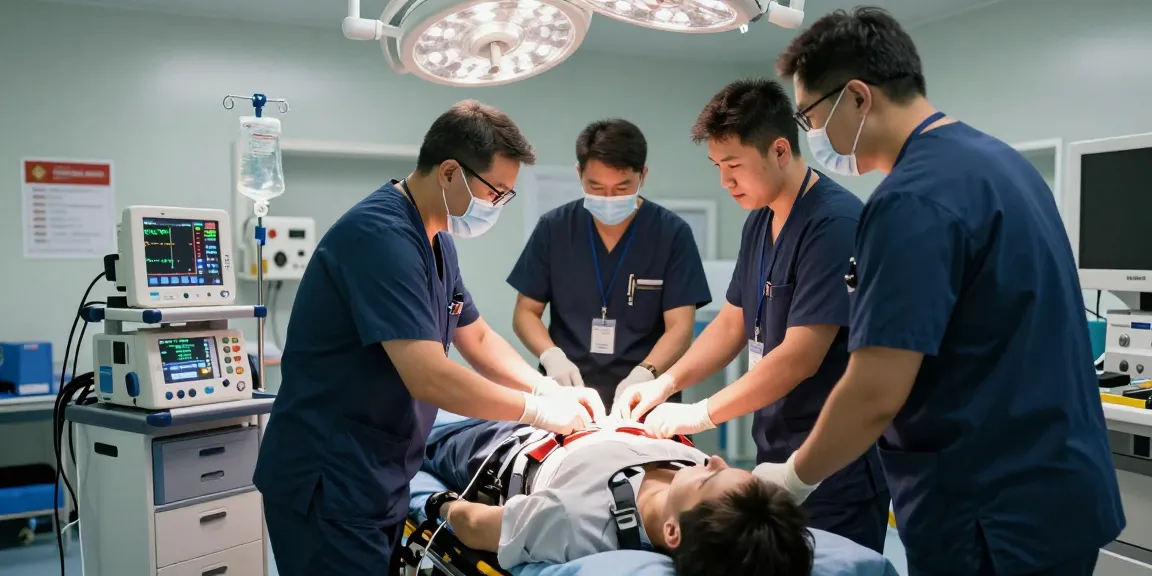
Understanding SAM Chest Seals
The SAM chest seal is a critical component of trauma care, specifically designed to manage open chest wounds. It plays a vital role in controlling pneumothorax and restoring normal breathing patterns in injured patients. In emergency situations, seconds count and having the right equipment can save lives. For healthcare providers and first responders alike, understanding how to effectively use a sam chest seal can drastically impact patient outcomes and is essential training for anyone involved in emergency medical services.
What is a SAM Chest Seal?
A SAM chest seal is a one-way valve dressing designed to seal open chest wounds effectively. These injuries, often caused by penetrating trauma such as gunshots or stab wounds, can lead to a life-threatening situation known as a tension pneumothorax. The SAM chest seal ensures that air can escape from the pleural cavity while preventing air from entering, thus maintaining lung function and preventing further injury.
How Does a SAM Chest Seal Work?
The design of the SAM chest seal relies on a one-way valve system. When the patient inhales, the valve opens, allowing air to escape from the pleural cavity. During exhalation, the valve closes, preventing air from re-entering. This mechanism enables the seal to function effectively in managing chest wounds, allowing for proper stabilization of the injured area, and facilitating better respiratory mechanics.
Indications for Use of SAM Chest Seals
SAM chest seals should be used in cases of open chest trauma. Indications include:
- Penetrating chest injuries, such as gunshot wounds or stab wounds
- Blunt force trauma with visible pneumothorax
- Any injury leading to compromised breathing where an open chest wound is suspected
Application Techniques for SAM Chest Seals
Step-by-Step Guide to Applying a SAM Chest Seal
Applying a SAM chest seal requires precision and speed. Follow these steps for proper application:
- Ensure the injury site is clean and free from debris.
- Remove the backing from the SAM chest seal.
- Position the seal over the wound, ensuring complete coverage.
- Press firmly to create an airtight seal, starting from the center and working your way outwards.
- Monitor the seal for air leaks and effectiveness.
Common Mistakes When Using SAM Chest Seals
Even experienced practitioners can make mistakes when applying a SAM chest seal. Common errors include:
- Failing to adequately clean the wound site, which can lead to infection.
- Improper placement, resulting in air leaks.
- Not securing the seal properly, which may allow it to be dislodged during transport.
Best Practices for Different Injury Types
Different types of chest wounds may require tailored application techniques. For gunshot wounds, it’s critical to ensure that the seal covers the entire circumference of the wound to prevent air leaks. In the case of stab wounds, using multiple seals may be beneficial to ensure stability, especially if the injury is larger or jagged.
Evaluation and Monitoring Post-Application
Assessing the Effectiveness of SAM Chest Seals
After application, continuous monitoring is essential. Signs that a SAM chest seal is working include:
- Improved respiratory patterns in the patient.
- No audible air escaping from the seal.
- Stable vital signs.
Signs of Complications or Failure
It’s important to recognize when a SAM chest seal may not be functioning correctly. Watch for the following signs:
- Increased respiratory distress or difficulty breathing.
- Visible bulging at the site of the seal.
- Changes in blood pressure or heart rate indicating shock.
Next Steps After Application
Once a SAM chest seal is applied, the next steps involve ongoing assessment and preparation for transport. Continuous monitoring of the patient, administering supplemental oxygen if necessary, and ensuring that definitive medical care is on the way are crucial components of post-application care.
Real-World Case Studies
Successful Use of SAM Chest Seals in Trauma Cases
Case studies illustrate the efficacy of SAM chest seals. In one notable incident, a paramedic team successfully stabilized a victim of a gunshot wound using the seal, leading to a positive patient outcome. The rapid application of the chest seal allowed the patient to be transported to a trauma center without further complications.
Lessons Learned from SAM Chest Seal Failures
While SAM chest seals are effective, failures do occur. In a case involving improper application, the patient experienced a tension pneumothorax due to air leaking through an unsealed corner of the dressing. This incident highlights the need for training and adherence to application protocols to avoid critical mistakes.
Expert Insights from Emergency Medical Professionals
Experts emphasize the importance of training in the use of SAM chest seals. Ongoing education sessions and simulation-based training can significantly increase proficiency among first responders, ultimately improving patient survival rates in trauma situations.
Future Trends in Trauma Care
Innovations in Chest Seal Technology for 2026
As trauma care evolves, advancements in chest seal technology are anticipated. New materials that enhance adhesion and reduce the risk of infection are being developed, along with seals that incorporate smart technology to monitor wound status and provide real-time feedback to emergency responders.
The Role of SAM Chest Seals in Comprehensive Trauma Kits
In 2026, SAM chest seals are expected to remain a staple in comprehensive trauma kits. As more field emergencies arise, equipping first responders with reliable and effective tools is paramount to ensuring prompt and effective trauma care.
Emerging Research on Pre-Hospital Care Techniques
Research continues to explore methodologies that enhance the application and effectiveness of SAM chest seals. Studies indicate that combining chest seals with other interventions, such as advanced airway management, can produce better outcomes for trauma patients in the pre-hospital setting.
What conditions are SAM chest seals used for?
SAM chest seals are primarily used for open chest wounds where air may enter the pleural space, leading to a pneumothorax. They are crucial in managing penetrating injuries, ensuring that the patient maintains adequate lung function during transport.
Can SAM chest seals be used on pediatric patients?
Yes, SAM chest seals can be used on pediatric patients. However, the size and application technique should be considered, as pediatric patients may have different anatomical considerations compared to adults.
What are the differences between various types of chest seals?
Different types of chest seals vary in design, materials used, and application techniques. Some may feature built-in valves, while others may rely on adhesive properties for sealing. The choice of chest seal often depends on the specific injury and the responder’s training.
How long can a SAM chest seal stay on a patient?
A SAM chest seal can typically remain in place until definitive medical treatment is available. However, regular checks should be conducted to ensure the seal remains intact and effective over time.
What other first aid items should accompany SAM chest seals?
In addition to SAM chest seals, it’s advisable to have other items in a trauma kit, including:
- Tourniquets for controlling hemorrhage
- Elastic bandages for additional support
- Oxygen delivery devices for respiratory support
