Understanding Metal Roof Installation: An Overview
In recent years, metal roofing has gained significant traction among homeowners and builders, attributed not only to its durability but also to its aesthetic appeal. As a robust alternative to traditional roofing materials, understanding the nuances of metal roof installation becomes essential for anyone looking to invest in this durable option. Metal roofs are available in various styles and materials, making them suitable for diverse architectural designs and climate conditions. This article aims to delve into the intricacies of metal roofing, highlighting its benefits, common misconceptions, and culminating in the key elements of a successful installation process.
What is Metal Roofing?
Metal roofing refers to roofing systems primarily made of metal materials such as steel, aluminum, copper, or alloy. Unlike traditional roofing options like asphalt shingles or wood, metal roofs can come in sheets or tiles and are designed to protect against severe weather conditions, increasing their longevity and performance. Generally, metal roofs are coated with protective finishes to resist rust and corrosion, enhancing their durability and maintaining visual appeal. Available in diverse colors and styles, metal roofing can mimic the look of classic roofing materials while providing superior performance.
Advantages of Metal Roof Installation
Choosing a metal roof offers numerous advantages, making it an attractive option for many homeowners. Some key benefits include:
- Longevity: Metal roofs have a lifespan exceeding 50 years, significantly outpacing traditional roofing material.
- Durability: Engineered to withstand harsh weather conditions, metal roofs resist cracking, warping, and degradation.
- Energy Efficiency: Metal roofs reflect solar energy, helping to reduce cooling costs in hot climates.
- Low Maintenance: With fewer repair needs, metal roofs require less upkeep than traditional roofing options.
- Environmental Impact: Many metal roofs are made from recycled materials and are 100% recyclable at the end of their lifespan.
Common Myths About Metal Roofing
Despite the numerous advantages, misconceptions about metal roofing persist. Here are a few of the most common myths:
- Metal roofs are noisy: Contrary to popular belief, metal roofs are quieter than many traditional roofing materials when properly installed with insulation.
- Metal roofs attract lightning: This is a myth; metal roofing does not increase the chances of lightning strikes.
- They are prone to rust: While some metals can rust, modern coatings and treatments provide a protective barrier against corrosion.
Key Steps in the Metal Roof Installation Process
Preparation and Planning for Installation
Proper preparation is crucial for a successful metal roof installation. Homeowners should start by assessing local building codes and obtaining necessary permits, which may vary by region. Conducting a thorough evaluation of the roof structure and pitch helps determine the type of metal roofing best suited for the installation. Additionally, planning for weather conditions during the installation process ensures safety and efficiency.
Materials Required for Metal Roof Installation
To ensure a successful metal roof installation, gather essential materials, including:
- Metal panels or sheets
- Underlayment (waterproof and breathable)
- Flashing and trim pieces
- Fasteners (screws, rivets)
- Sealants and adhesives
- Safety gear (gloves, goggles, harnesses)
Safety Protocols During Installation
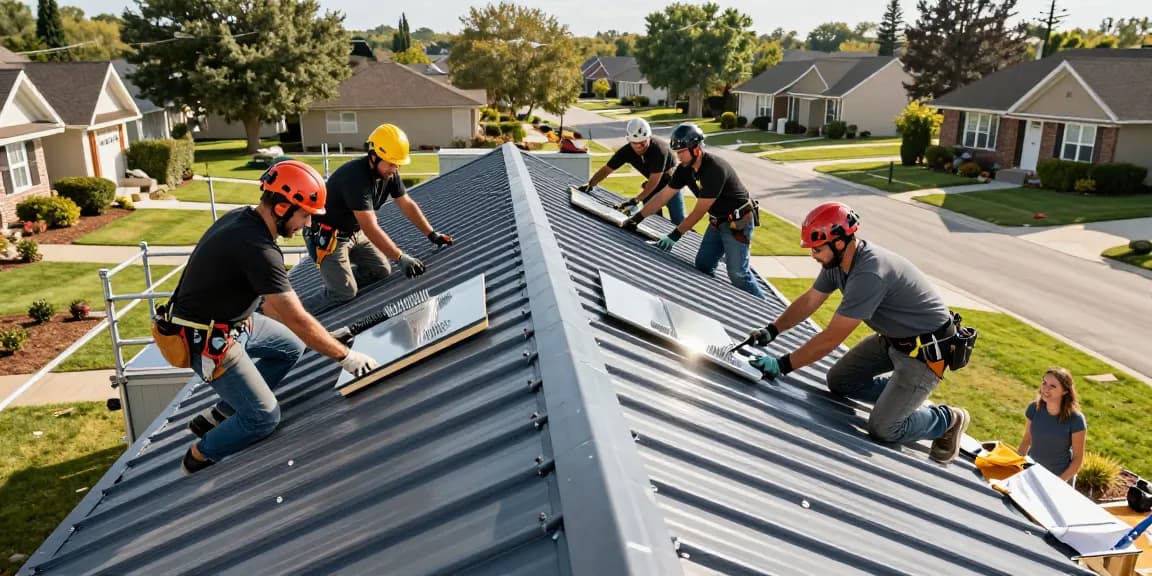
Safety should always be a priority during roof installation. Key protocols to follow include using appropriate fall protection, ladder safety measures, and ensuring all workers are equipped with necessary safety gear. Additionally, it's crucial to have a first aid kit nearby and a clear plan for emergencies. Training workers on equipment handling and hazard recognition can significantly reduce the risk of accidents during the installation process.
Types of Metal Roofing Materials
Corrugated Metal Roofs
Corrugated metal roofs consist of panels with ridges and grooves, providing both structural integrity and aesthetic appeal. Often used in industrial settings, they are becoming increasingly popular for residential applications due to their unique look and ease of installation. Corrugated metal is lightweight, reducing the load on existing structures, making it suitable for a variety of building types.
Standing Seam Metal Roofs
The standing seam metal roof features raised seams that allow for thermal expansion and contraction. This design provides a watertight seal, making it ideal for areas with heavy rainfall or snow. Additionally, standing seam roofs are available in various materials and colors, offering both functionality and style.
Metal Shingles vs. Traditional Roofing
Metal shingles mimic the appearance of traditional roofing materials like tiles or wood shakes, offering the aesthetic appeal of these styles without the associated maintenance issues. Unlike traditional shingles, metal shingles are less susceptible to damage from pests and rot, making them a more durable option.
Maintenance and Longevity of Metal Roofs
Best Practices for Maintaining Metal Roofs
To maximize the lifespan of metal roofs, regular maintenance is essential. Homeowners should perform routine inspections to check for debris accumulation, loose fasteners, and signs of corrosion. Cleaning gutters and downspouts ensures proper drainage, preventing water damage. In addition, applying sealants to joints can help maintain their structural integrity over time.
Signs Your Metal Roof Needs Repairs
Keep an eye out for these indicators that your metal roof may require repairs:
- Visible dents or damage to the metal panels.
- Corrosion or rust spots developing on the surface.
- Leaks or water stains inside the building.
- Loose or missing fasteners.
- Increased energy costs indicating poor insulation.
Longevity and Warranty Considerations
Metal roofs boast impressive longevity, often lasting upwards of 50 years, depending on the material and installation quality. When purchasing a metal roof, homeowners should carefully review warranty terms, which can vary by manufacturer. Some warranties cover materials and labor, while others may only cover materials. A robust warranty can provide peace of mind, ensuring coverage if issues arise.
Future Trends in Metal Roof Installation By 2026
Sustainable Roofing Solutions and Innovations
The future of metal roofing is heading towards greater sustainability. Innovations in manufacturing processes are reducing the environmental impact of metal roof production, while the introduction of recycled materials is on the rise. Additionally, metal roofs are increasingly being integrated with solar panels and green technologies, allowing homeowners to enhance their energy efficiency.
Energy Efficiency and Metal Roofs
As energy conservation becomes a higher priority, metal roofs are evolving to offer enhanced energy efficiency features. Reflective coatings are being developed to further reduce heat absorption, contributing to lower cooling costs in warmer climates. Homeowners can also use cool metal roofing, which reflects more sunlight than traditional materials, making it a desirable choice for eco-conscious consumers.
Emerging Technologies in Roof Installation
Emerging technologies are also set to revolutionize metal roof installation by 2026. Drones and robotic systems will aid in inspections and installations, enhancing safety and efficiency. Advanced materials, such as self-healing metals, may emerge, further extending the lifespan of roofs while minimizing maintenance requirements.
What are the costs associated with metal roof installation?
The costs vary significantly based on factors such as roofing material, roof size, and labor expenses. On average, metal roofs can cost between $5.00 to $12.00 per square foot. While the initial investment may be higher than traditional options, the long-term savings in durability and energy efficiency often offset the cost.
How long does a metal roof last compared to traditional roofs?
Metal roofs typically last 40-70 years, significantly exceeding the average lifespan of traditional asphalt shingles, which last only 15-30 years. This longevity makes metal roofing a cost-effective solution over the long run.
Can I install a metal roof myself?
While some homeowners with roofing experience may attempt a DIY installation, hiring professionals is typically recommended. Proper installation is crucial to ensure durability and performance, and mistakes can lead to costly repairs down the line.
What climate conditions benefit metal roofs?
Metal roofs are especially beneficial in extreme climates, including areas with heavy snowfall, rain, or intense sun exposure. Their durability and reflective properties make them an excellent choice for both hot and cold environments.
Are there any design options available for metal roofing?
Yes, metal roofing offers a wide range of design options, including various colors, textures, and finishes. Homeowners can select styles that complement their home’s architecture, from sleek modern designs to classic, rustic looks.